A branding questionnaire is a structured intake form you send a client before you start designing their brand. It captures what the business does, why it exists, who it's for, how it's positioned, and how the brand should feel and sound - the whole brief in one place, before the first design decision. Done well, it's the difference between a brand that fits on the first round and three logos the client can't quite explain why they hate.
The hard part isn't the questions about the business. It's the questions about feel. Most clients can't put a brand personality into words. They say "modern but timeless" and mean five different things.
This guide gives you the questions to ask, grouped by topic, plus a free template you can copy - and a fix for the personality problem a plain text form can't solve.
What is a branding questionnaire?
It's a structured intake form that gathers everything you need before the first design decision. Think of it as the discovery call, written down, so the strategy is on the page before you open the design tool. Those answers become the raw material for the creative brief you'll actually design against.
A good one does three jobs at once:
- Qualifies the client - budget, scope, and timeline tell you fast whether you're a fit
- Captures the brief - story, audience, positioning, and personality in one place
- Sets expectations - the questions themselves signal that branding is strategy, not just a logo
Send it after a client enquires but before the paid kickoff. That way the kickoff is spent going deep on strategy, not collecting basics you could have gathered with a form. If a website is part of the job, pair it with our website design questionnaire for that stage - branding usually comes first.
Why the brief decides the brand
Get the brief right and every design decision has a reason behind it. Get it wrong and you're guessing, and the client knows it.
Most branding misfires don't come from bad design. They come from a gap between the brand the client pictured and the words they used to describe it. "Make it feel premium" is honest and completely unactionable. Premium to one founder is black-and-gold maximalism; to another it's a lot of white space and one quiet serif.
A questionnaire's real job is to close that gap before you've designed the wrong brand. The more specific and concrete your questions, the smaller the gap gets.
The questions to ask
Group your questions by topic. It keeps the client in one train of thought and makes their answers far easier to work from later.
The business and why it exists
| Question | Why it matters |
|---|---|
| What does the business do, and why does it exist beyond making money? | The "why" is the spine the whole brand hangs on |
| What's the story of how it started? | Origin stories are where the most usable brand material hides |
| Where do you want the business to be in five years? | A brand has to fit the company you're becoming, not just the one you are |
Audience and positioning
| Question | Why it matters |
|---|---|
| Who is this brand for, and who is it deliberately not for? | Exclusion sharpens a brand more than inclusion |
| Who are your main competitors, and what do you make of their brands? | Tells you the field you have to stand out in |
| What's the one thing you do better or differently than them? | The positioning the whole identity has to express |
Personality and voice
| Question | Why it matters |
|---|---|
| If the brand were a person, how would you describe them? | Gets at personality without asking for a style label |
| How should someone feel after they interact with the brand? | The emotional brief, the thing labels miss |
| Is the voice more formal or more playful, more expert or more friend? | Sets tone before a word of copy is written |
Visual direction
| Question | Why it matters |
|---|---|
| Show me three brands you admire and tell me what grabs you about each. | Concrete examples beat style labels every time |
| What's an absolute no, visually? | Dislikes are sharper and more reliable than likes |
| Do you have existing assets or guidelines, or is this a clean slate? | Sets scope and avoids a nasty surprise later |
Practical
| Question | Why it matters |
|---|---|
| What deliverables do you actually need (logo, full identity, guidelines)? | Catches scope before it creeps |
| What's the realistic budget range for this project? | Qualifies fit before anyone wastes time |
| Is there a deadline or launch driving the timeline? | Flags feasibility early |
Notice the personality and visual questions ask people to describe and show, not pick a label. That's deliberate, and it's where a video questionnaire pulls ahead of a text form.
The personality problem a text form can't solve
Here's the limit of a written questionnaire. You ask "how should the brand feel?" and you get back a word. Premium. Friendly. Bold. Each one is a placeholder for a feeling in the client's head that you can't see.
When you ask someone to talk you through it on camera instead, the feeling comes out. They light up describing a brand they love and you hear exactly what they mean by "premium." They wrinkle their nose at a competitor and you learn more from that reaction than from a paragraph. Tone of voice is the clearest tell of all: how a founder talks about their own business is half the brand voice already.
Speaking also lowers the bar. A client who'd never type three paragraphs about their brand values will happily talk for two minutes. You get more, and you get the bits they wouldn't have bothered to write.
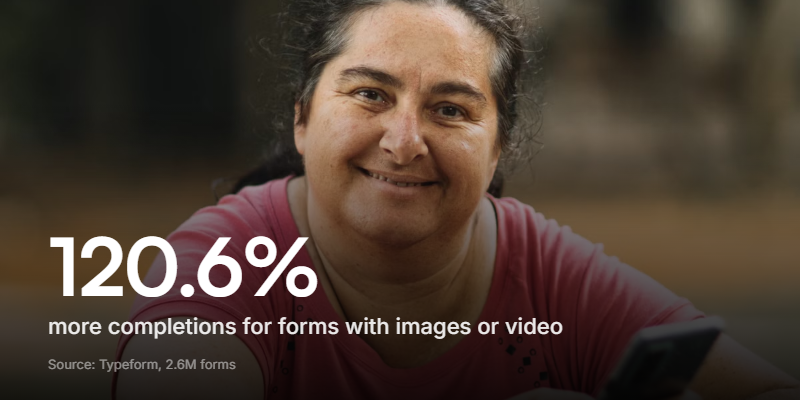
It pays off in completions too. Typeform's analysis of 2.6 million forms found forms with images or video saw a 120.6% jump in completions over plain ones - useful when your intake form is competing with a busy founder's inbox.
This is what tools like Clipform are built for. Each question is a short video prompt - you on camera, asking it the way you would on a call - and the client replies however suits them: a quick video, a voice note, or text. Every spoken answer is transcribed automatically, so you can skim and search responses instead of rewatching clips. For the format itself, there's a fuller breakdown in our guide to video questionnaires.
A free branding questionnaire template
Here's a 15-question starting point. Send it before the kickoff, keep it under ten minutes, and adapt the wording to your studio.
| # | Section | Question | Format |
|---|---|---|---|
| 1 | Business | What does the business do, and why does it exist beyond profit? | Open / video |
| 2 | Business | How did it start? | Open / video |
| 3 | Business | Where do you want it to be in five years? | Open |
| 4 | Audience | Who is the brand for, and who is it not for? | Open / video |
| 5 | Audience | Who are your competitors, and what's your take on their brands? | Video |
| 6 | Audience | What do you do better or differently than them? | Open / video |
| 7 | Personality | If the brand were a person, who would they be? | Open / video |
| 8 | Personality | How should people feel after interacting with the brand? | Open / video |
| 9 | Personality | More formal or playful? More expert or friend? | Multiple choice |
| 10 | Visual | Show me three brands you admire and what grabs you about each. | Video |
| 11 | Visual | What's an absolute no, visually? | Open / video |
| 12 | Visual | Any existing assets or guidelines, or a clean slate? | Multiple choice |
| 13 | Practical | What deliverables do you need (logo, identity, guidelines)? | Multiple choice |
| 14 | Practical | What's your realistic budget range? | Multiple choice |
| 15 | Practical | Is anything driving the timeline (a launch, an event)? | Open |
Keep the open questions open. Resist adding example answers - they steer clients toward your expectations instead of surfacing theirs.
💡
Lead with the personality and visual questions as video, and use multiple choice only for the practical section. People answer faster when the easy picks are quick taps and the brand feel is spoken, not typed.
How to send one
You don't need specialist software. Any form builder that mixes short video prompts with a few multiple-choice questions will do. The setup is quick:
- Write your questions by section, keeping the whole thing to 12-15 items.
- Record your prompts - a few seconds each, in your normal voice, so it feels like talking to you.
- Set the practical questions as multiple choice so qualifying answers are easy to compare.
- Send one link after the enquiry and before the paid kickoff.
- Read before you call, so the kickoff goes deep on strategy instead of basics.
On Clipform you can build this in about five minutes and send it as a single link. Clients reply with video, voice, or text - no app to download and no account to create on their side. Presenting one question at a time, the way a conversational form does, also stops a long brief from feeling like a chore.
FAQ
What is a branding questionnaire?
It's an intake form you send a new client before starting a branding project. It captures the business and why it exists, the target audience and positioning, the brand's personality and voice, and visual direction - so you understand the brief before the first design decision. It also helps qualify whether the client is a good fit for how you work.
What questions should a branding questionnaire include?
Cover five areas: the business and its purpose, the audience and competitors, brand personality and voice, visual direction (with examples rather than labels), and the practical scope. The most useful questions ask clients to describe how the brand should feel and show brands they admire, since feeling and examples beat style labels.
How long should a branding questionnaire be?
Aim for 12 to 15 questions, under ten minutes to complete. Long forms get abandoned or rushed. If you need more detail, save it for the kickoff call, where a conversation surfaces it more naturally than another text box would.
Why use video answers in a branding questionnaire?
Brand personality is hard to put into words. A client who types "premium" tells you almost nothing, but the same person talking through a brand they love gives you the exact feeling, tone, and details a one-word answer hides. How a founder talks about their business is also half the brand voice already.
Get the brand right the first time
A good branding questionnaire saves you from designing the wrong brand. The questions matter, but the format matters just as much - a written form gets you adjectives, while a short video answer gets you the feeling behind them.
If your current intake form leaves you guessing, change one thing: swap the personality and visual questions for video, and let clients talk you through the brands they love instead of trying to spell it out.
You can build a questionnaire like that on Clipform for free and have it ready before your next enquiry replies. Start with the 15-question template above, record your prompts, and let the brief tell you who the brand really is.