A product recommendation quiz asks a shopper a few short questions, then points them to the product that fits. Instead of leaving someone to wade through 40 SKUs on their own, you ask about their skin, their goals, or their taste, and hand them a shortlist of one or two things to buy.
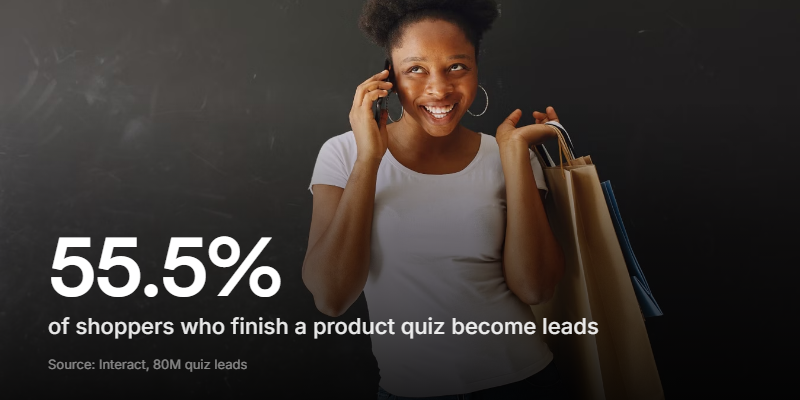
It's the online version of a good shop assistant. And shoppers respond to it. According to Interact's analysis of over 80 million quiz leads, ecommerce quizzes convert 37.6% of starters into leads, and 55.5% of the people who finish. Passive browsing doesn't come close.
This guide covers what a product recommendation quiz is, why it converts so well, how to build one, and why putting video into it pulls ahead of the text quizzes everyone else runs.
What is a product recommendation quiz?
It's a short, guided quiz that ends in a personalised product suggestion. The shopper answers questions about themselves and what they want, and the quiz matches their answers to the right item in your range.
You see them most in categories where choice is overwhelming and fit matters:
- Beauty and skincare - "What's your skin type and concern?" then a routine
- Supplements - goals and diet in, a stack out
- Coffee and food - taste preferences in, a roast or box out
- Apparel - size, fit, and style in, a capsule out
- Gifting - who's it for and their vibe, a shortlist out
The common thread: the shopper doesn't know your catalogue, but they do know themselves. A quiz turns what they know into a recommendation they trust.
Why product quizzes convert so well
A product page asks a cold visitor to self-diagnose and pick. A quiz does the work for them. Three things make it land.
It removes choice paralysis. Forty products is a wall. Two recommended ones is a decision. Narrowing the field is doing the shopper a favour, and they reward it by buying.
It earns intent. Someone who answers six questions has told you what they want and invested effort getting there. They arrive at the result warm, not cold. That's why the Interact data shows 55.5% of finishers converting to a lead, where a typical store sees low single digits from browsing.
It feels personal. "Based on your answers" beats "you might also like." The recommendation is about them, and people trust advice that accounts for their specifics over a generic bestseller grid.
A product quiz isn't really a sales tool. It's a sorting tool that happens to sell. Get the sorting right - good questions, honest matches - and the selling takes care of itself.
How to build a product recommendation quiz
The structure is simple. The craft is in the questions and the matches. An AI quiz maker can draft that first set of questions in seconds, leaving you to sharpen the matches.
-
Open with a hook. A title that promises a payoff: "Find your perfect routine in 60 seconds." It should feel like help, not a survey.
-
Ask 5 to 8 questions. Enough to make a confident match, few enough that nobody quits. Each one should change the recommendation, or cut it. If an answer doesn't move the result, drop the question - that's where survey fatigue sets in and people bail.
-
Mix the question types. Preferences as multiple choice for clean matching, plus one or two open or visual questions where taste matters. Keep it one question at a time, the way a conversational form does, so it never feels like a wall.
-
Capture the shopper before the result. Ask for an email to send the recommendation (and to follow up). They're invested by now, which is exactly why a lead capture ask works better at the end than the start.
-
Match answers to products, honestly. Map each answer pattern to a real recommendation. Don't funnel everyone to your highest-margin item - a match the shopper doesn't trust is a return waiting to happen. If you're not sure a match lands, test it on a handful of real shoppers first - a short set of user testing questions tells you whether the recommendation feels right.
-
Follow up by result. Someone matched to "sensitive skin" gets different emails than "oily." The quiz keeps paying off long after the session ends.
Make it a video quiz
Here's where most stores leave money on the table. Every product quiz looks the same: text questions, a grid of thumbnails, a results page. Video changes the experience completely.
Ask the questions on camera, the way a stylist or a buyer would in person. Show the products in use instead of as flat photos - the serum going on, the coffee being poured, the jacket actually moving. A shopper deciding between two roasts learns more from ten seconds of one being brewed than from a paragraph of tasting notes.
There's a second edge here that big retailers can't copy: you. When the owner shows up on camera and talks a shopper through the range, it builds a kind of trust a faceless thumbnail grid never will. For a small brand, that personal connection is the whole advantage, and a product quiz is the natural place to use it. People buy from people. A 15-second clip of the founder explaining why they made something lands harder than any product description, and a recommendation that comes from a real face the shopper has just met feels earned rather than algorithmic.
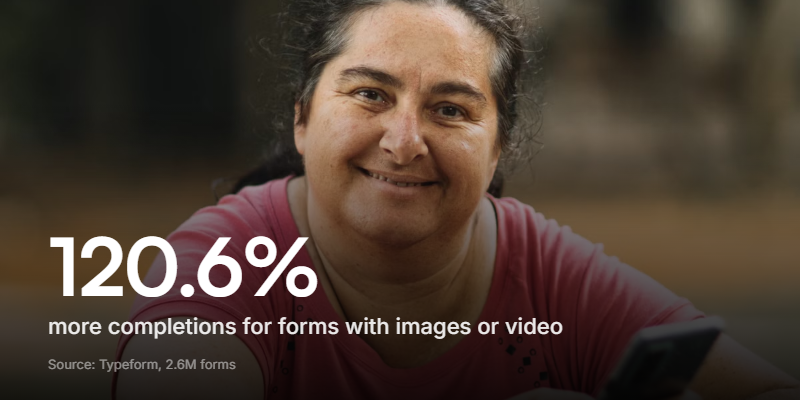
It lifts completion, too. Typeform's analysis of 2.6 million forms found forms with images or video saw a 120.6% jump in completions over plain ones. More finishers means more recommendations means more sales.
A tool like Clipform is built for the video side of this. Each question is a short video prompt - you or your founder on camera, asking it like you would in the shop - and shoppers answer by tapping, talking, or recording back. It runs as a single link or an embed, with no app for the shopper to install. Automated product matching and direct Shopify checkout from the result are on our roadmap; today it's the engaging, video-first front end that captures who the shopper is and what they're after. If a blank builder slows you down, you can generate a video quiz from a prompt and record your own clips over the draft.
Product recommendation quizzes on Shopify
If you're on Shopify, a product quiz fits naturally into the store. Most merchants run one of two ways:
- A dedicated quiz app that scores answers, matches a product, and adds it straight to the cart. These handle the automated matching and checkout, and the established ones lean heavily on text and image questions.
- An embedded quiz that captures the shopper's answers and preferences, routes them to a recommended collection or product, and feeds your email flow.
The gap in the market is video. The quiz apps merchants reach for are all text and thumbnails, in a channel - ecommerce - that has gone almost entirely video everywhere else. A product quiz where the founder demos the actual products on camera is a genuinely different experience, and it's the direction short-form shopping has already taken everywhere from TikTok Shop to Instagram.
Common questions about product recommendation quizzes
What is a product recommendation quiz? A short quiz that asks a shopper about their needs and preferences, then suggests the product that fits. It replaces self-service browsing with a guided match, which converts far better.
Do product quizzes actually increase sales? They convert quiz finishers at a much higher rate than passive browsing - Interact's ecommerce data shows 55.5% of finishers becoming leads. The lift comes from removing choice paralysis and earning shopper intent before the recommendation.
How many questions should a product quiz have? Five to eight. Enough to make a confident match, few enough that people finish. Every question should change or narrow the recommendation; if it doesn't, cut it.
Can I add a product recommendation quiz to Shopify? Yes. You can use a dedicated Shopify quiz app for automated matching and checkout, or embed a quiz that captures preferences and routes shoppers to a recommended product or collection.
Turn browsing into buying
A product recommendation quiz works because it does the hard part for the shopper: it narrows hundreds of options down to the one that fits. The questions earn intent, the match builds trust, and the shopper arrives at checkout already sold.
If you're going to build one, make it feel like a person, not a form. Ask the questions on camera, show the products doing their thing, and keep it short enough to finish.
You can build a video quiz like that on Clipform for free and share it as a single link or store embed. Start with the five-to-eight questions that actually change your recommendation, and let shoppers tell you what they're after.